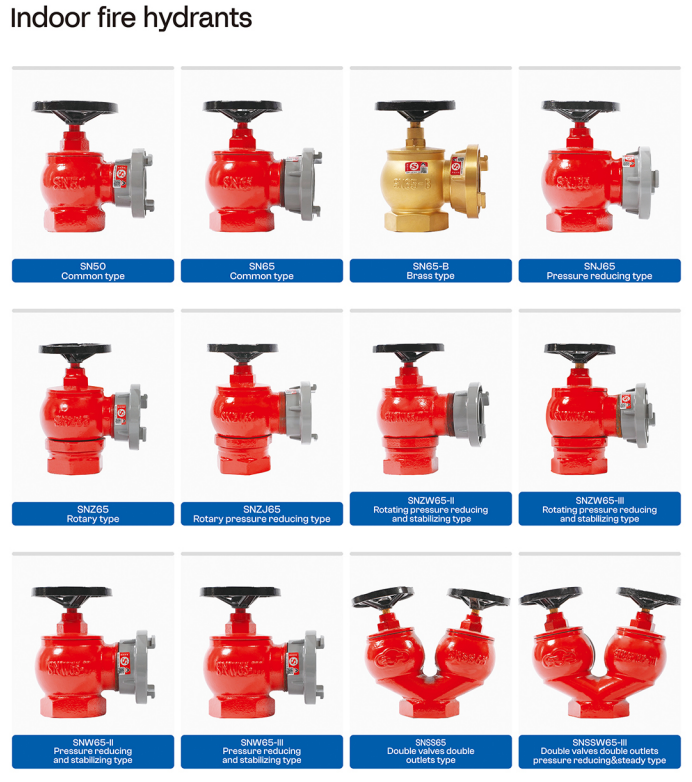
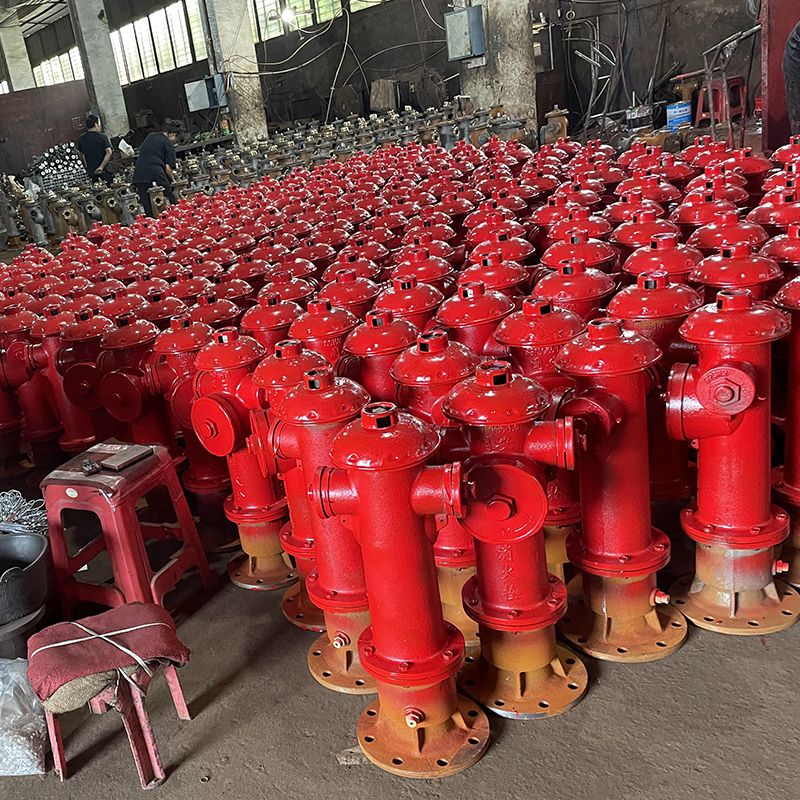
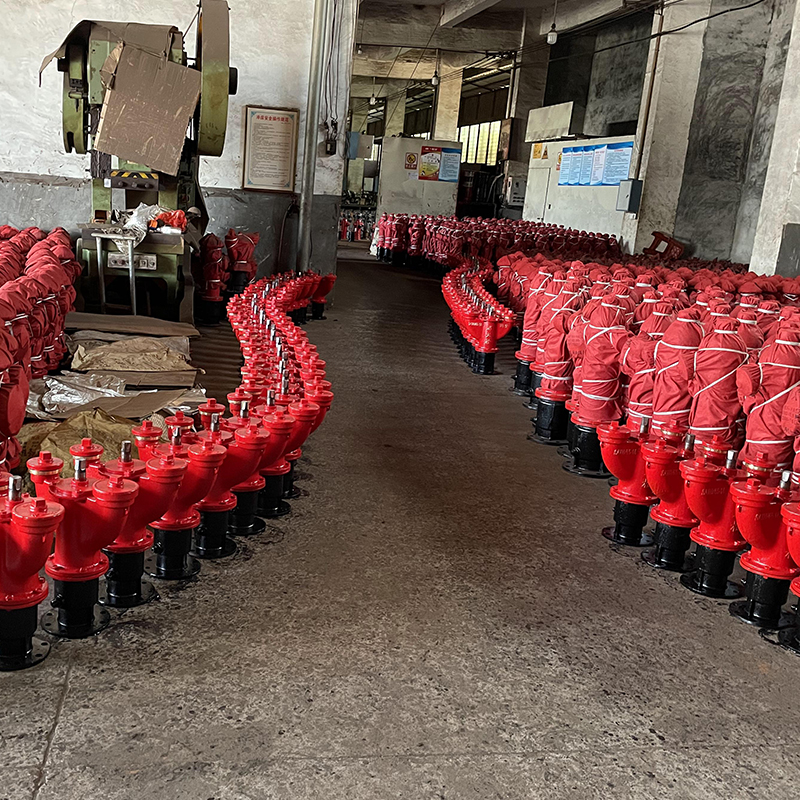
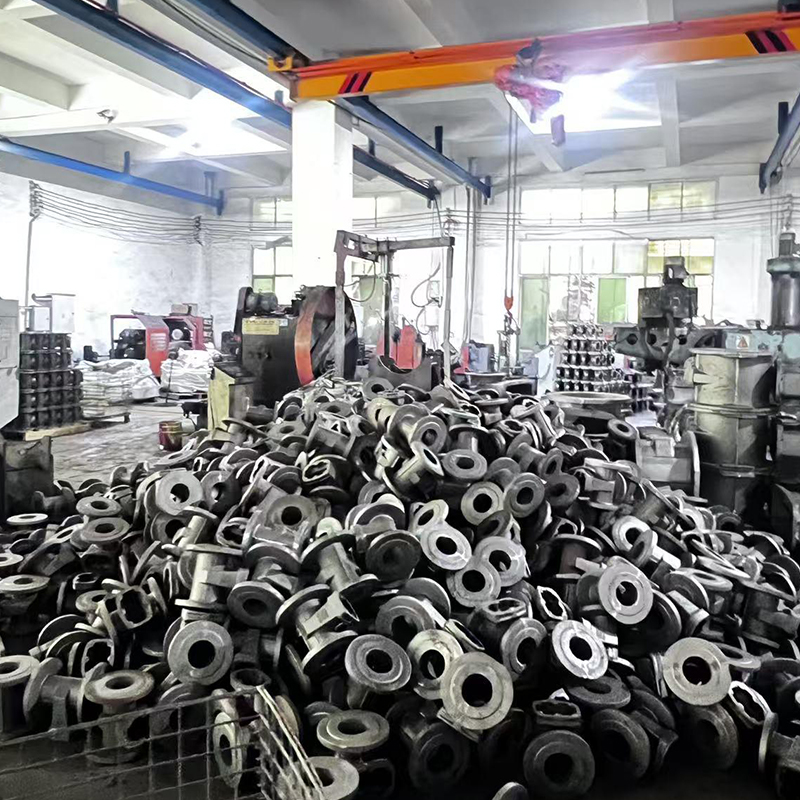
An indoor fire hydrant, often called a standpipe system, is a critical and legally mandated component of fire protection in most commercial, industrial, and high-occupancy residential buildings. Unlike their larger outdoor cousins, these hydrants are integrated into a building’s infrastructure, comprising a network of pipes, valves, and outlets strategically placed throughout stairwells, hallways, and corridors. Their primary purpose is to provide a readily accessible and reliable water supply for building occupants and firefighters during the initial, critical stages of a fire before the full fire department response arrives.
The system is elegantly simple in concept. A main water supply, often boosted by pumps to ensure adequate pressure, feeds into vertical risers. At designated intervals, typically on each floor, a cabinet contains a valve outlet, a hose (either pre-connected or stored separately), and a nozzle. This setup allows trained personnel—such as a building’s fire safety team—to attack a fire directly at its source, potentially extinguishing it or, at minimum, containing its spread. For professional firefighters, these indoor systems provide crucial hook-up points, saving them the immense time and effort of dragging hundreds of feet of hose up multiple flights of stairs from an external source.
Regular inspection and maintenance are non-negotiable. This includes checking for water pressure integrity, ensuring valves operate smoothly, verifying hoses are not degraded or blocked, and that access cabinets are never obstructed. A neglected indoor hydrant system can fail catastrophically when needed most. In essence, these unassuming cabinets are not just metal boxes on a wall; they are a building’s first line of active internal defense, a testament to the principle that in fire safety, immediate, on-site response capability saves lives and property.